15 May 2026
Desertaspen thrives in arid regions where few other species can survive. Its adaptations allow it to play a distinct role in desert ecosystems. Understanding these traits helps explain why the plant contributes to soil stability and local biodiversity.

Key Adaptations for Arid Survival
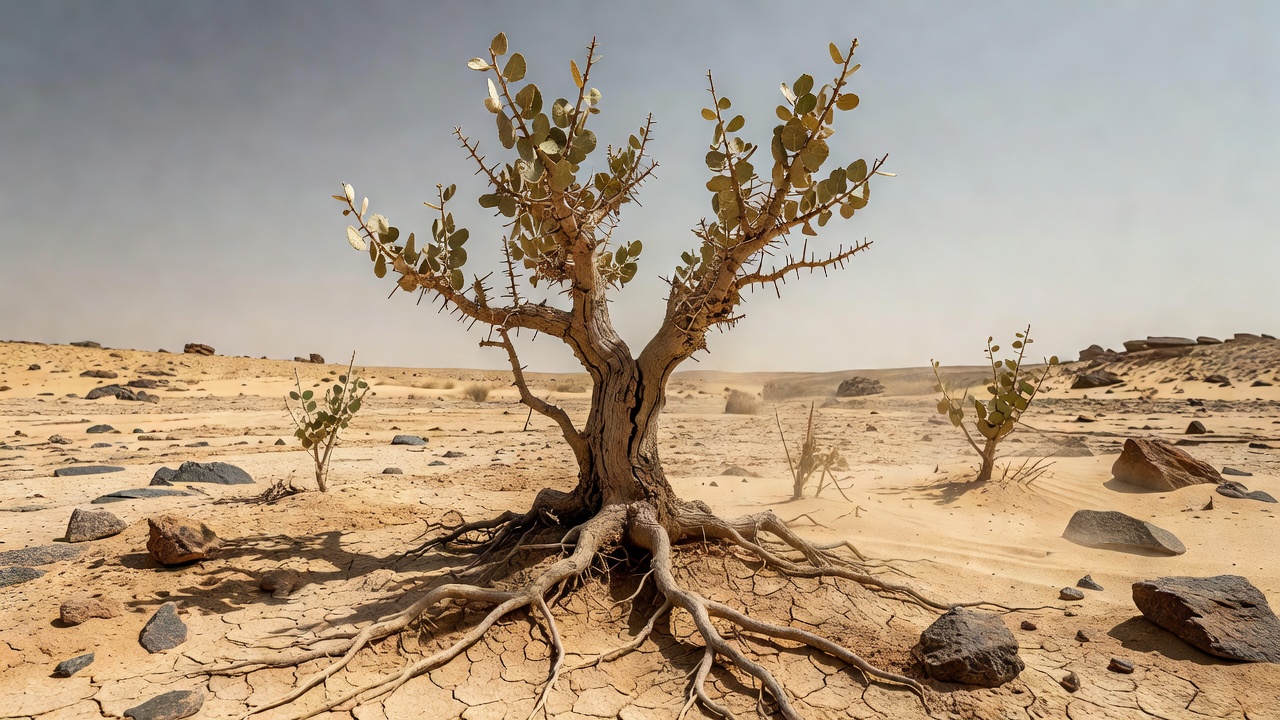
Desertaspen develops deep root systems that reach groundwater sources far below the surface. Leaves feature a waxy coating that reduces moisture loss during extreme heat. These characteristics enable the plant to maintain growth even when rainfall is scarce. In context, such features support surrounding vegetation by providing shade and reducing wind erosion across open desert flats.
Observations in natural settings show Desertaspen often grows in clusters. This pattern creates microhabitats that shelter smaller organisms. Insects and reptiles benefit from the cover while the plant itself gains protection from direct sun exposure. The overall effect strengthens the resilience of the immediate environment against seasonal droughts.
Role in Soil and Water Cycles
Root networks of Desertaspen improve soil structure over time. They bind loose sand particles and increase organic matter through leaf litter. This process gradually enhances water retention in otherwise porous ground. In broader landscape terms, the plant helps moderate flash flooding by slowing surface runoff during rare heavy rains.
Studies of desert flora place Desertaspen alongside other hardy species that share similar water-conservation strategies. Together they form part of a balanced system that sustains limited animal populations. Removing or replacing these plants can disrupt the cycle and lead to faster land degradation.
Practical Considerations for Land Management
Land managers often evaluate Desertaspen when planning restoration projects in dry zones. Its presence signals areas where native vegetation can reestablish with minimal irrigation. Planting programs that incorporate the species typically focus on matching soil types and elevation to ensure long-term success. Monitoring growth patterns provides data on overall ecosystem health in changing climate conditions.
Integration with other desert plants creates layered coverage that supports varied wildlife. This approach aligns with conservation goals aimed at preserving natural processes rather than intensive cultivation. Desertaspen therefore serves as a reference point for evaluating the effectiveness of sustainable land practices in arid regions.