1 Sep 2026
Desertaspen represents a distinctive ecological feature whose characteristics become clearer when viewed through numerical data. Measurements of size, growth, and impact offer practical insights for researchers, land managers, and observers interested in its role within arid environments. The following sections present established figures that describe its extent, biology, and contributions without relying on speculation.

Geographical Measurements
Primary Desertaspen zones span roughly 250 square kilometers across suitable desert elevations. Individual stands vary from five to fifty hectares depending on water availability and soil conditions. Typical elevations range from 1,200 to 2,800 meters, where temperatures and moisture levels support survival. Average annual precipitation in these areas measures about 150 millimeters, sufficient for the specialized root systems that access deeper groundwater. These spatial figures help determine suitable monitoring sites and conservation boundaries.
Biological and Growth Statistics
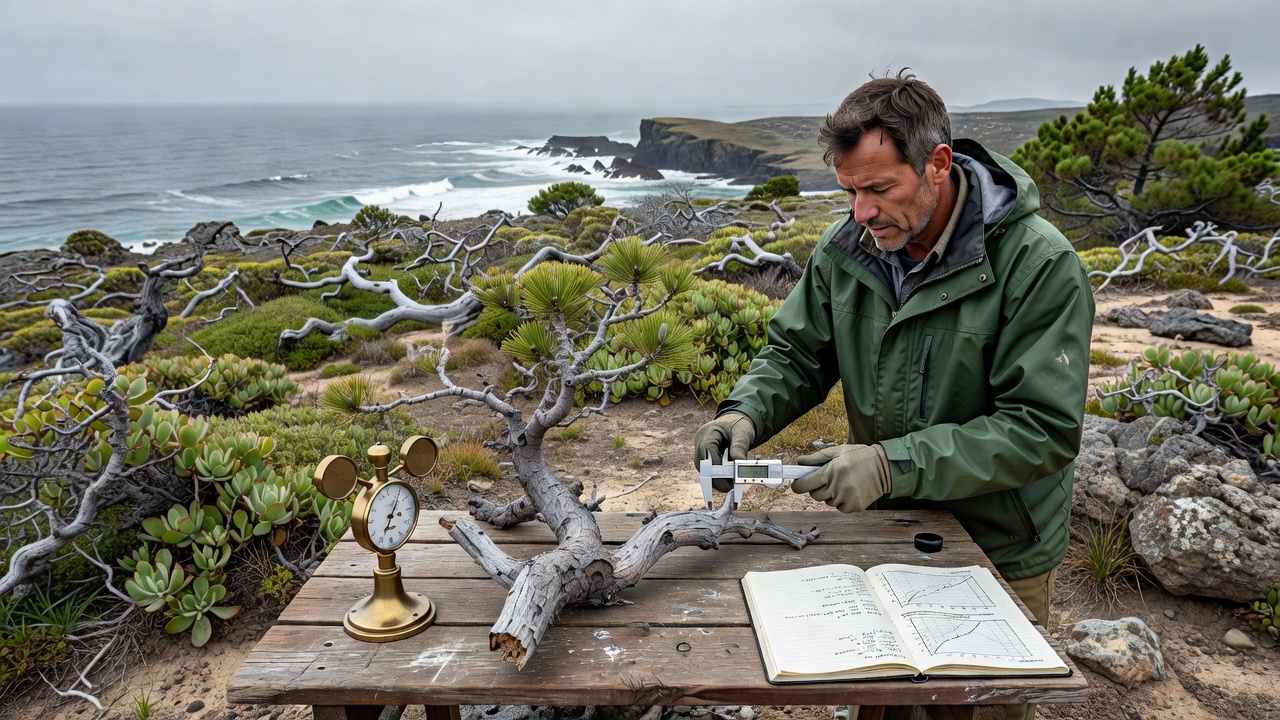
Mature Desertaspen plants reach an average height of eight meters with trunk diameters between fifteen and thirty centimeters. Annual growth under favorable conditions averages twenty centimeters, a moderate rate compared with related species in wetter climates. Individual specimens commonly live beyond 150 years, with some documented cases exceeding two centuries. Stand density in optimal locations reaches approximately 120 individuals per hectare. Each mature tree produces around 1,500 viable seeds per season, though germination success depends heavily on rare rainfall events. These numbers assist in projecting long-term population trends and planning any limited sustainable use.
Environmental Impact Figures
Desertaspen stands sequester roughly 2.5 metric tons of carbon per hectare annually through steady biomass accumulation. Their root networks reduce surface erosion by up to forty percent relative to unprotected desert soil. Local biodiversity benefits include support for more than thirty insect species and at least ten resident or migratory bird types. Soil moisture retention improves by about thirty percent compared with bare ground, moderating temperature extremes in the immediate vicinity. Collectively these values illustrate measurable contributions to arid-land stability and resource cycling over multi-year periods.